U.S. to Ban Imports of Certain Canadian Goods
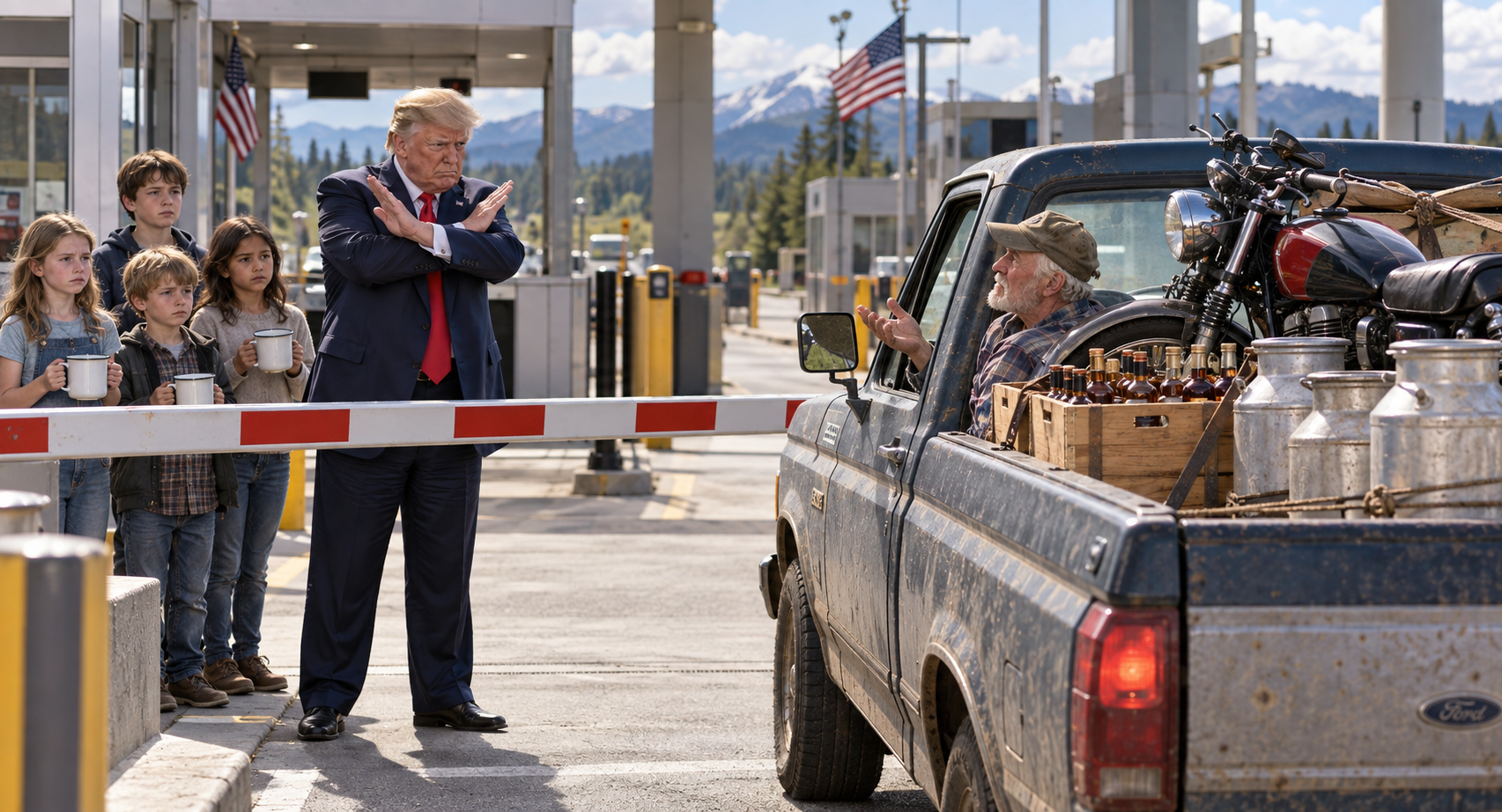
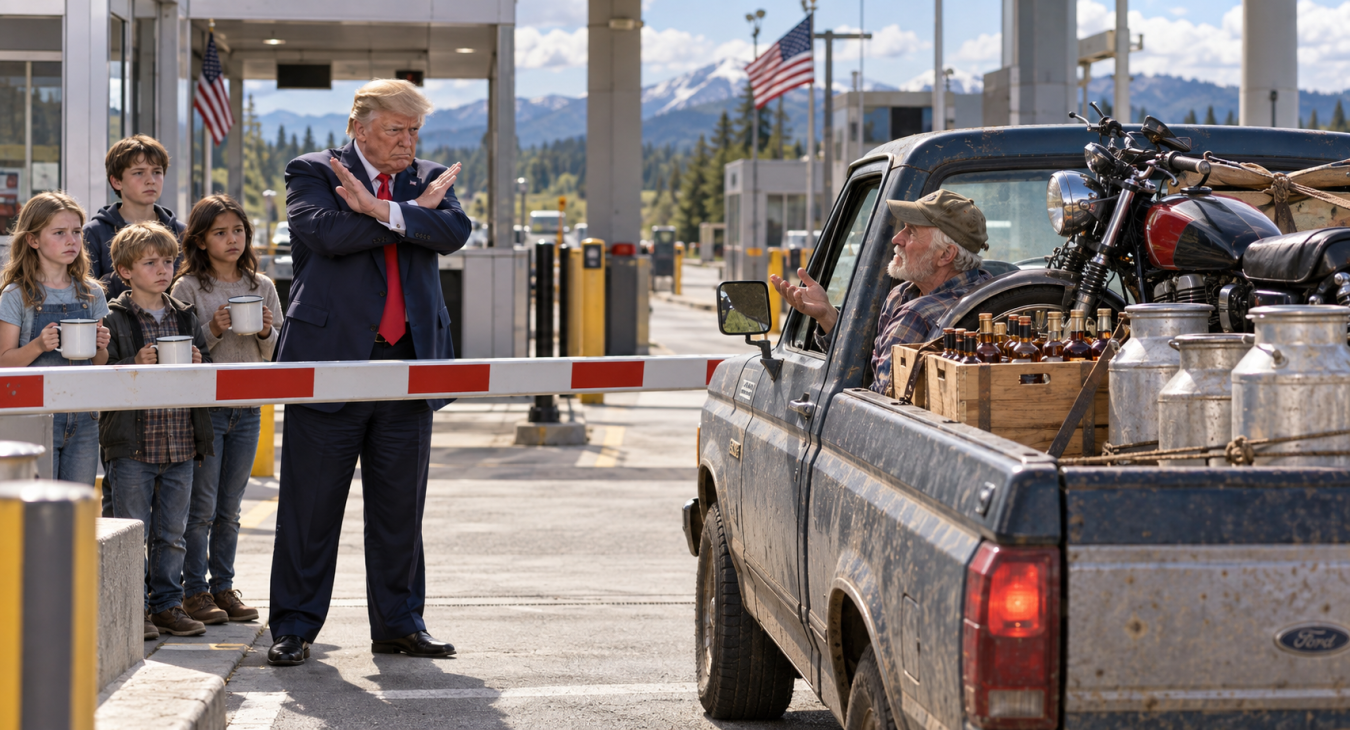
Starting just after midnight on Tuesday, September 29, certain Canadian goods will no longer be allowed across the U.S. border. According to White House documents, the ban takes effect at 12:01 a.m. Eastern Time. It covers products on three lists, including certain alcoholic beverages, dairy products and byproducts, some types of molasses, and motorcycles. The listed goods face an outright import ban, rather than a higher tariff.
Washington attributes the decision to trade disputes. The U.S. administration accuses Canada of restricting access to its alcohol and dairy markets and also points to a dispute over motor vehicles. That is the White House’s position. Ottawa, for its part, says U.S. tariffs prompted its retaliatory measures.
The ban follows another round of tariffs from both countries. Since September 8, Canada has imposed additional duties of 15, 25 or 50 percent on certain U.S.-origin goods. The Canada Border Services Agency explicitly links those measures to earlier U.S. tariffs. Some Canadian products already subject to a 50 percent U.S. tariff will now face a stricter measure: they cannot be imported for sale. The ban applies to specific products, not to everything Canada produces in those sectors.
For Canada’s economy as a whole, this list may prove less damaging than broad tariffs. But an individual producer, carrier or supplier could still lose a U.S. order. When the rules keep changing, businesses find it harder to set prices, sign long-term contracts and plan investments.
Ottawa residents know how closely the two neighbouring economies are connected. Trade decisions affect jobs and household budgets on both sides of the border.
Experts say the new list is not large enough on its own to hurt Canada’s economy as severely as earlier tariffs did. Its significance may lie in the signal it sends: Washington continues to increase trade pressure on Canadian goods, creating more uncertainty. Prolonged uncertainty is itself a cost for businesses.
The trade war continues, and companies, workers and consumers on both sides of the border ultimately pay the price. In both the U.S. and Canada, tariff uncertainty is putting projects on hold, businesses are closing, people are losing jobs, and prices and inflation are rising. Politicians play their games while ordinary people suffer.
When will politics give way to the normal workings of the economy?