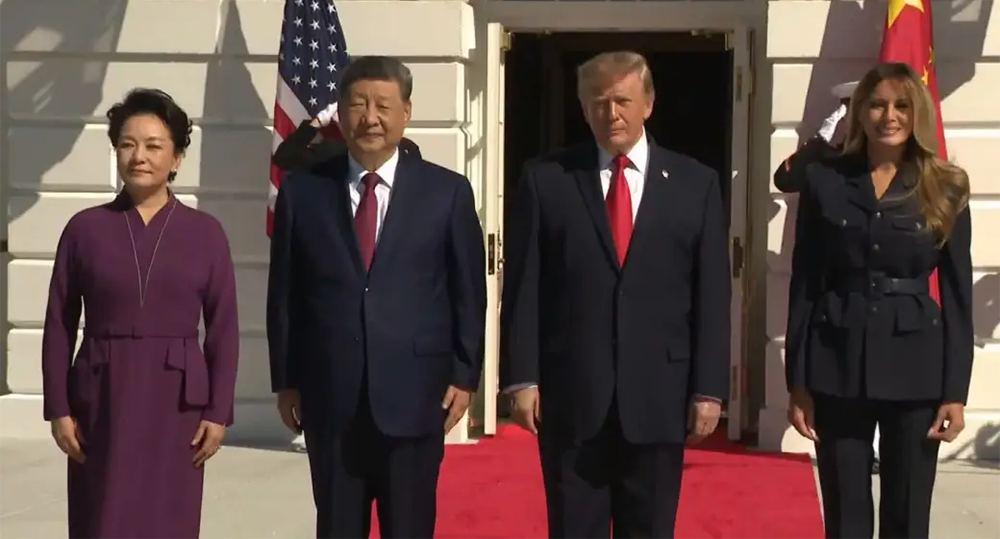
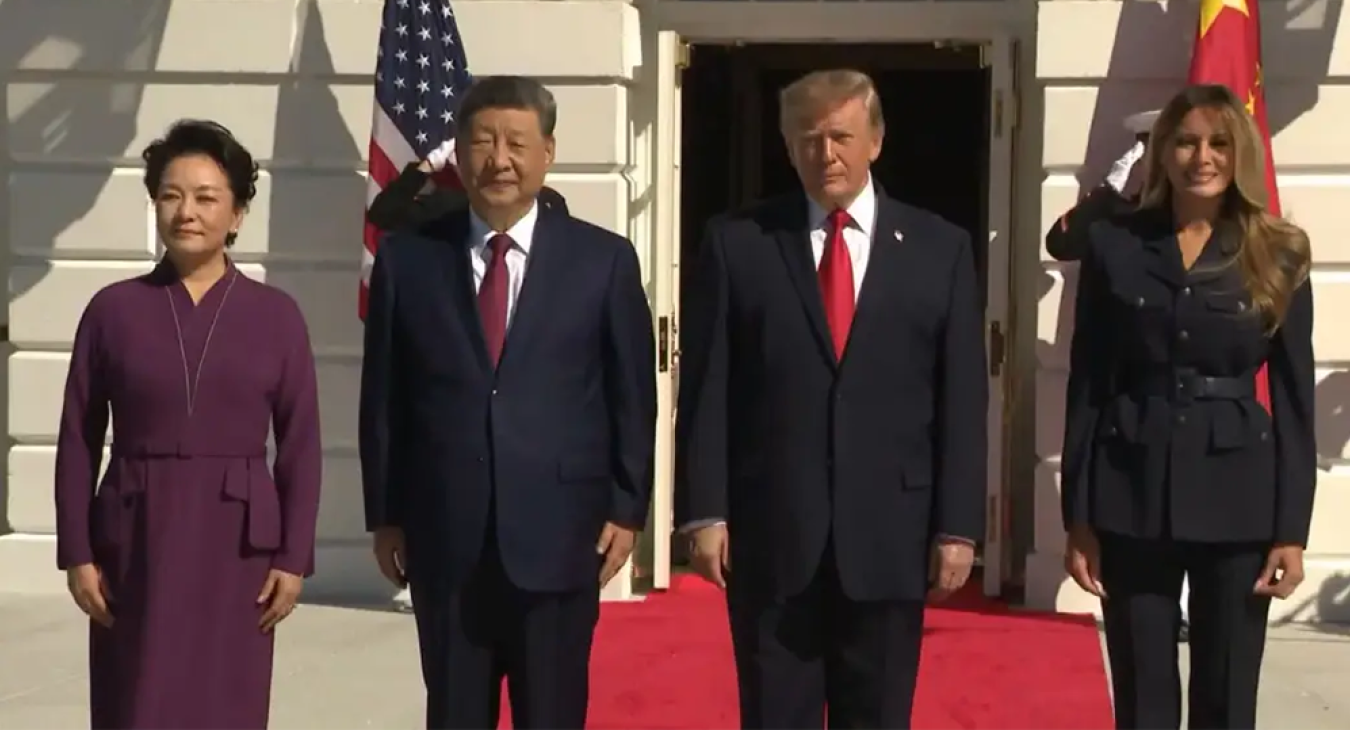
Trump Welcomes Xi in Washington
Chinese President Xi Jinping’s state visit to Washington ended on September 25. Donald Trump hosted him at the White House, while the two governments launched joint boards on trade and investment. They also agreed on recommendations for more favourable tariff treatment for goods worth $30 billion in each direction. These include agricultural and consumer products, but not Chinese electric vehicles.
For Canada, the contrast matters. In January, Prime Minister Mark Carney reached an agreement with Beijing allowing up to 49,000 Chinese electric vehicles a year into Canada at a 6.1% tariff. In return, China promised to improve market access for Canadian canola and other products. Ottawa estimates that the vehicle quota represents less than 3% of Canada’s new-car market.
Trump then threatened a 100% tariff on Canadian goods if Canada made a trade deal with China. That threat does not mean the tariff was imposed. Other U.S. tariffs on certain Canadian goods are already in effect, however. The White House attributes them to trade disputes with Ottawa, including Canada’s retaliatory measures. It would be inaccurate to attribute all those tariffs to the electric-vehicle agreement.
The contradiction emerged even before Xi arrived: Trump said he would not object to Chinese automakers building factories in the United States if they hired American workers. For now, that is a statement about possible investment, not an electric-vehicle deal concluded at the summit. U.S. restrictions on Chinese cars remain in place.
Washington has an explanation for the distinction: cars assembled in the United States would create jobs there, while Canada’s agreement primarily opens its market to imports. Yet Canada’s plan also envisages future joint investment and jobs.
For Ottawa, the lesson is practical. The United States is willing to negotiate with China while bargaining hard with its closest neighbour. As a result, Canada will have to defend its manufacturers’ access to the U.S. market and judge Chinese projects by the real, practical benefits they deliver to Canadian workers and consumers.
Anna Prikhodko